
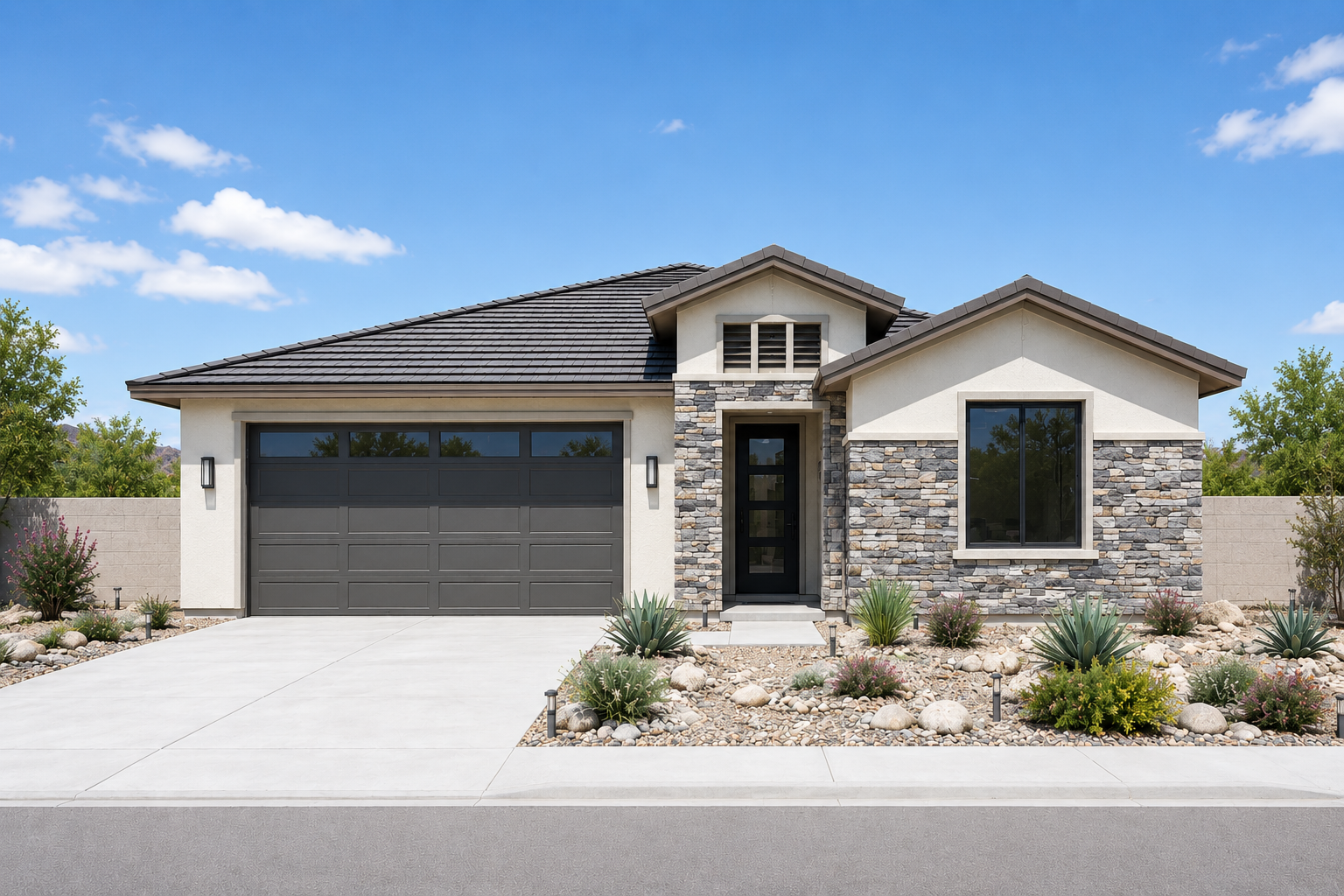
The 1849 Plan
- 1,849 Sq Ft
- 3 Bedrooms
- 2 Bathrooms
- 2-Car Garage
- 11 Foot Ceilings
A proven single-story design, with soaring ceilings available for your lot.
View Plan & Elevations
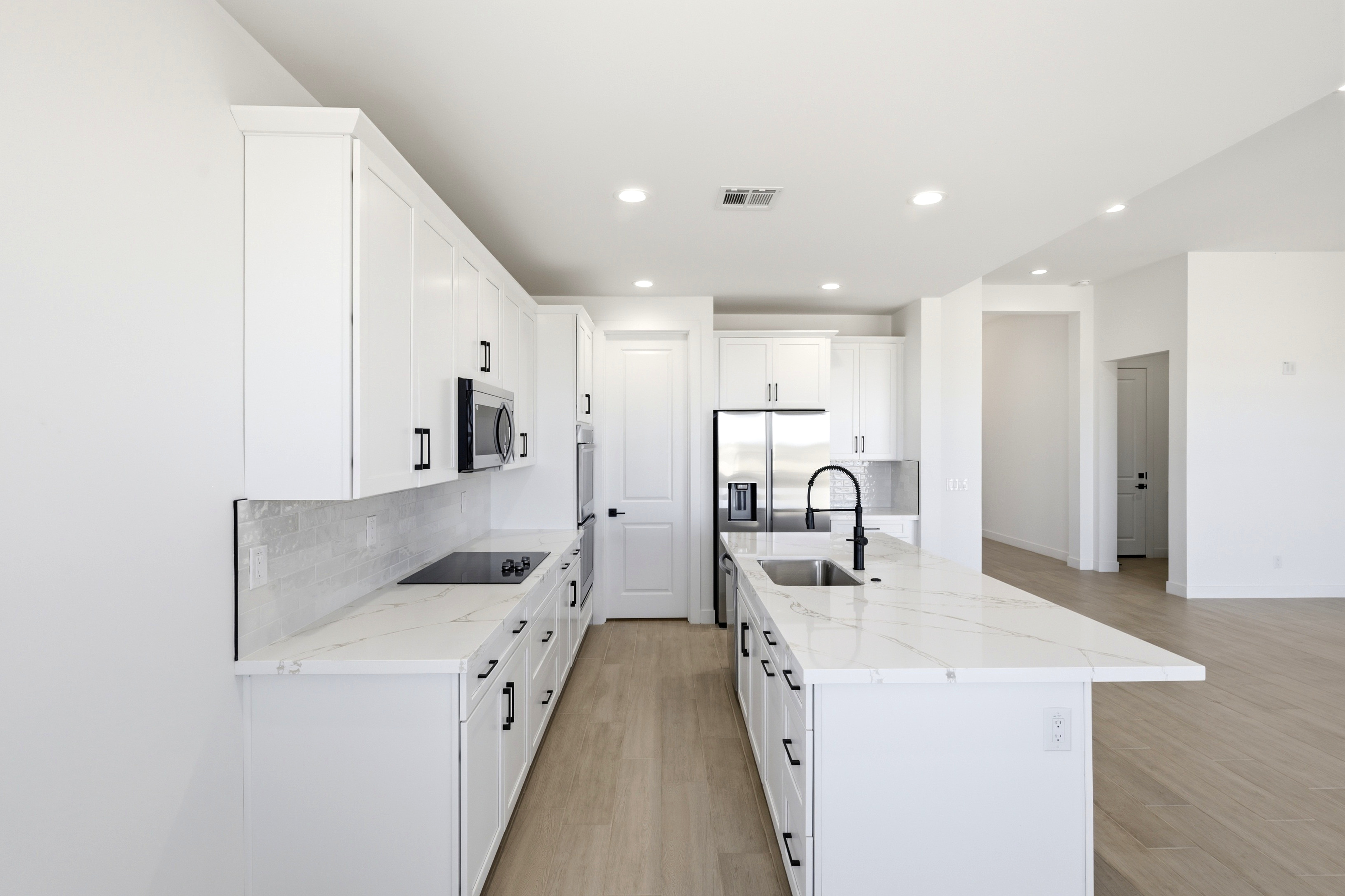
Already own land or planning to purchase a homesite? Building on your own lot gives you the freedom to create a home that fits your lifestyle, your vision, and your future. We bring extensive experience building homes of all sizes across the Valley, from straightforward homesites to highly complex, custom builds. No two lots are the same, and we’re well-versed in navigating challenges like grading, utilities, access, and local regulations. We make the process simple, transparent, and enjoyable, from your first consultation to move-in day.
Building on your own land comes with unique challenges - zoning, utilities, site prep, and more. We have the experience to navigate it all smoothly, so you don’t have to.
From evaluating your lot to handing you the keys, we guide you every step of the way. Our team helps with:
No surprises. We provide clear, upfront pricing and detailed breakdowns so you know exactly what to expect.
Choose from our proven floor plans or create something entirely your own. Every home is tailored to fit your land and your lifestyle.
We build homes that last. Our trusted construction team uses high-quality materials and proven building practices to ensure durability and long-term value.
We understand local regulations, soil conditions, and permitting processes. This saves you time, money, and headaches.
Building a home doesn’t have to be overwhelming. We’ve refined our process to keep things organized, efficient, and enjoyable.
We discuss your vision, budget, timeline, and land (or land goals).
We assess your property for utilities, access, grading, and build feasibility.
Select and customize your floor plan, finishes, and features.
We handle permitting, engineering, and site preparation.
Watch your home come to life with regular updates and communication.
Walk through your completed home and get the keys to your future.
A proven single-story design, with soaring ceilings available for your lot.
View Plan & Elevations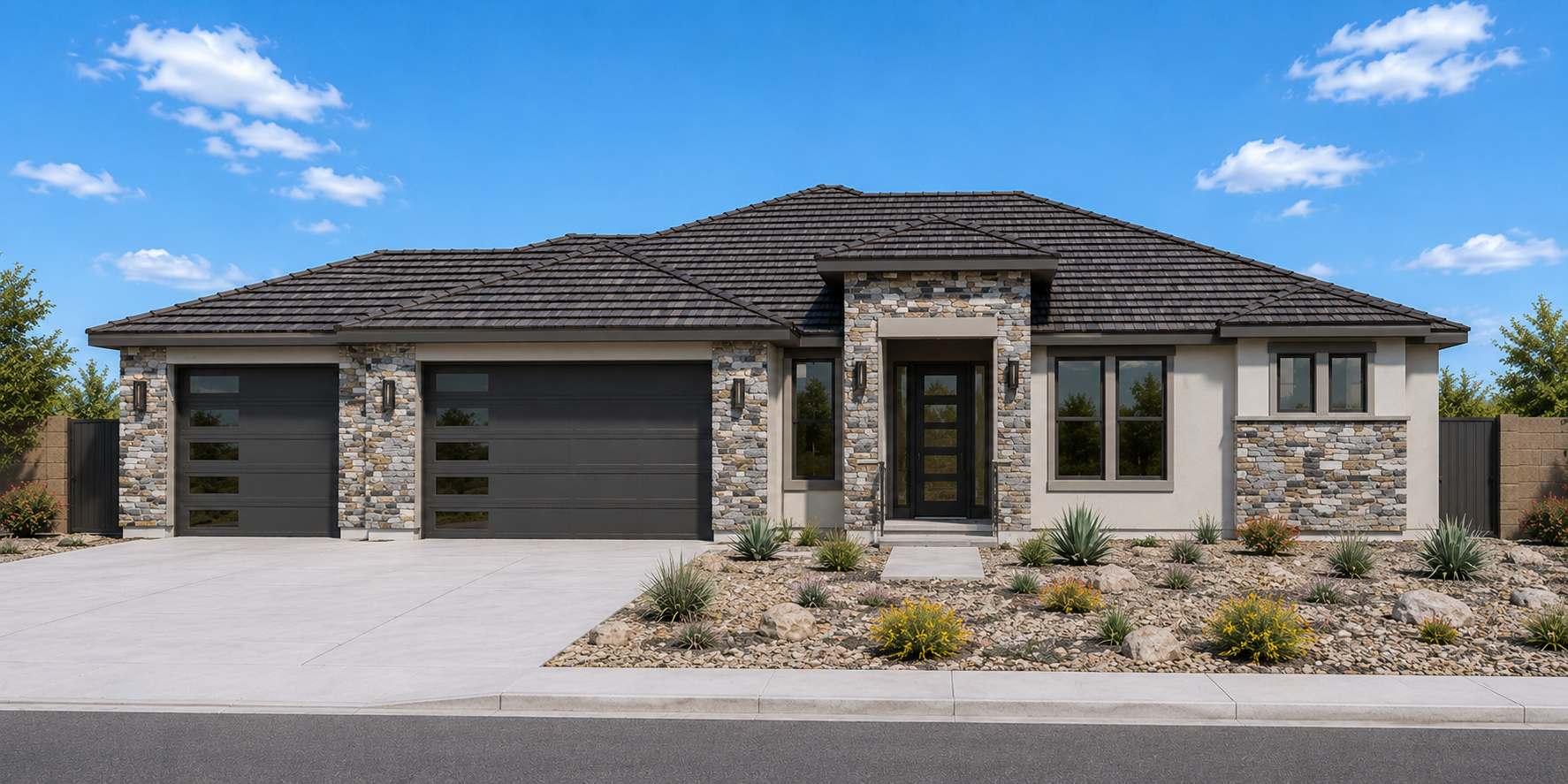
A spacious single-story design with a private study and gated courtyard, available to build on your lot.
View Plan & Elevations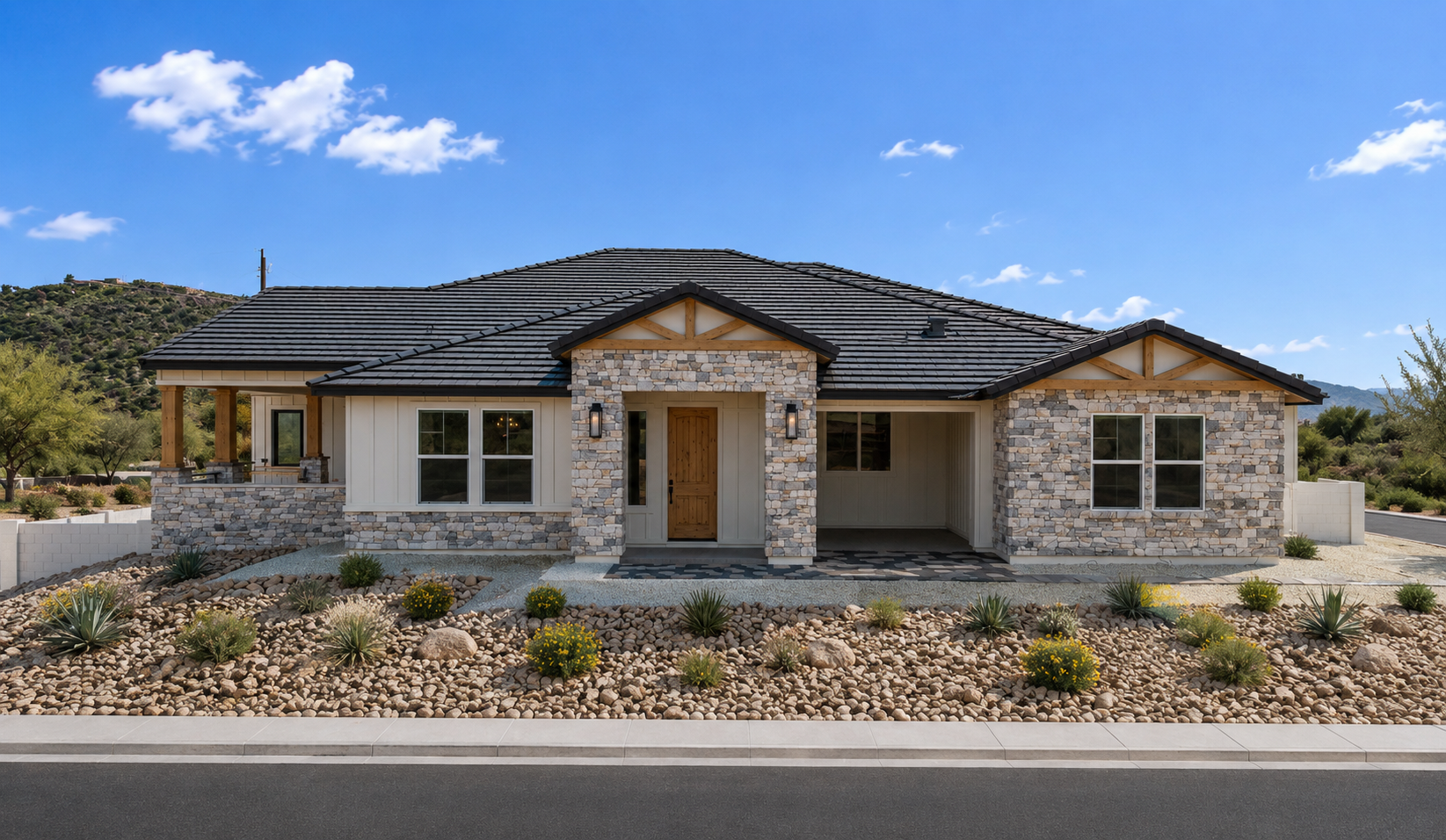
A single-story farmhouse with a dedicated shop and detached out building, available to build on your lot.
View Plan & ElevationsBuilding on your own lot means you own the land, or are buying it, and hire us to design and build the home on it, rather than buying a home inside a builder's subdivision. It gives you the most say over location, lot character and how the home sits on the ground. It also means the land decides most of what comes next.
Before a floor plan matters, a lot has to answer a set of questions: what the zoning and setbacks allow, whether access is legal and recorded, whether water comes from the city, a well or a hauled-water tank, whether sewer is available or a septic system is needed, where power is and what it costs to bring in, what the soil is made of, and whether any of the lot sits in a floodplain. Which city or county issues the permit changes the answers, so we start there.
That is the work Jematell Homes takes on with you: site evaluation and feasibility, floor plan selection and customization, permits and approvals, and budget planning and financing, from the first walk of the lot to move-in day. The sections below are the questions we get asked most, answered from our own library.
What to confirm before you close on a lot, or before you draw a line on one you already own.
On a private lot the utilities are yours to solve. The short answers, with the full ones one click away.
For a single home, you do not get a city-style well permit. You file an ADWR Notice of Intent to Drill, and a household well counts as an exempt well. A formal 100-year assured water supply determination is only required for subdivisions of six or more lots, not one home on a legal lot.
Read the full answerThere is no set depth. An Arizona well is drilled until it reaches enough water, which depends on the local aquifer and water table. Most domestic wells run between 100 and 800 feet, and some pass 1,000 feet in deep basins. If a well runs dry, you deepen it or drill a new one.
Read the full answerA shared well agreement is a recorded contract that lets two or more properties draw from one well and sets who pays for power, repairs, and upkeep. Arizona does not legally require one, but you need it: ADWR does not regulate these deals, so the recorded agreement is your only protection if a neighbor stops paying.
Read the full answerA perc test times how fast water drains through a lot's soil, which is how a septic system is designed and sited. You need one whenever the home will use a septic system instead of a municipal sewer, which is most rural Arizona lots. Poor-draining soil can force a costlier engineered system or limit the home size.
Read the full answerIn Arizona a well must be at least 100 feet from any septic tank or sewage disposal area. State law bars drilling a well within 100 feet of a septic system unless the state director approves an exception. Your county can require a greater distance, so confirm the setback with the county before you site either one.
Read the full answerA septic system needs county permitting before construction under ADEQ's R18-9 rules, handled locally by Maricopa County Environmental Services. When the home later sells, a transfer-of-ownership inspection confirms the system works, and a Notice of Transfer moves the authorization to the new owner. Confirm specifics with the county.
Read the full answerThe cost to extend power to a rural Arizona lot commonly runs $10,000 to $50,000 or more, driven mostly by the distance from the nearest line. APS and SRP build the extension and bill you, minus a per-lot allowance (about $3,500 at APS). A long run can make off-grid solar plus battery cheaper.
Read the full answerNo, not on hauled water alone. USDA and VA both require a continuous, safe, and potable water supply, and both treat a cistern as unacceptable. A drilled well that passes a health-authority or EPA water test does qualify for both. On a Rio Verde Foothills lot, a well, not a tank, unlocks these loans.
Read the full answer
Relax while we manage every detail, throughout the entire process.